








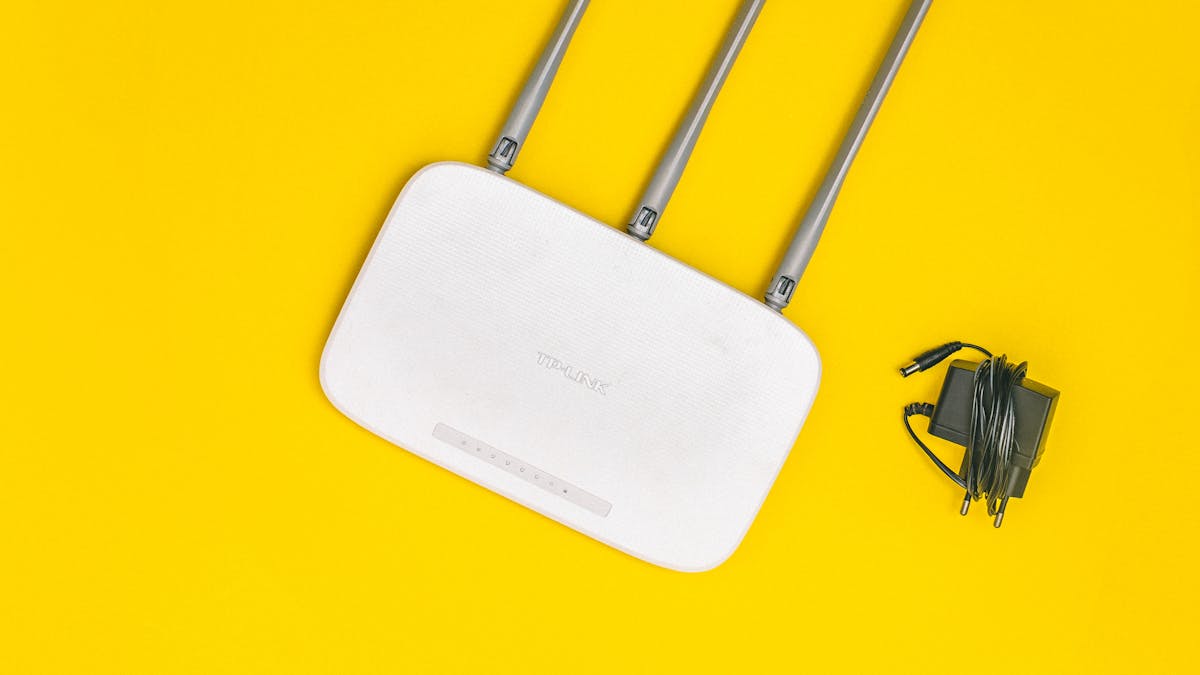
Verizon's prepaid subsidiary, Visible, has introduced a new 5G Home Internet service, priced at an aggressive $300 per year. This move signals a significant push by the carrier into the fixed wireless access (FWA) market, directly challenging traditional cable and fiber providers, as well as other FWA offerings from competitors.
Visible's New 5G Home Internet Offering
The new service, detailed by PCMag, offers unlimited 5G home internet for a flat rate of $300 annually. This translates to approximately $25 per month, a price point that is highly competitive in the current broadband landscape. Unlike many traditional internet plans that come with data caps, modem rental fees, or installation charges, Visible's offering appears to be an all-inclusive, no-frills package. The service utilizes Verizon's 5G network to deliver internet access directly to homes, making it an attractive option for consumers seeking an alternative to wired broadband.
This expansion into home internet by Visible is notable because it leverages Verizon's extensive 5G infrastructure. Visible has historically been known for its affordable mobile plans, often offering unlimited data at a lower cost than its parent company. By extending this value proposition to home internet, Visible aims to capture a segment of the market that is increasingly looking for flexible and cost-effective connectivity solutions.
Market Context and Competition
The launch of Visible's 5G Home Internet comes at a time when fixed wireless access is gaining significant traction. T-Mobile has been a leader in this space with its T-Mobile Home Internet service, which has seen substantial growth. AT&T also offers its own fixed wireless internet solutions. These services capitalize on the increasing availability and speed of 5G networks, providing a viable alternative for consumers in areas where traditional broadband is either unavailable, too expensive, or offers poor performance.
Visible's $300 annual price point is particularly noteworthy when compared to other options. For instance, T-Mobile's Home Internet typically costs $50 or $75 per month, depending on whether it's bundled with other T-Mobile services. While Visible's annual commitment might require a larger upfront payment, the monthly equivalent is considerably lower. This strategy is reminiscent of how MVNOs like Mint Mobile operate, offering significant savings by requiring customers to pay for multiple months of service in advance.
Business Insider has previously highlighted the competitive landscape between budget carriers like Mint Mobile and Visible, noting that both aim to undercut the major carriers with simpler, more affordable plans. Visible's entry into home internet extends this competitive pressure beyond just mobile service. The company's focus on a single, straightforward price point for its mobile plans has been a key differentiator, and applying a similar philosophy to home internet could resonate with budget-conscious consumers.
Furthermore, the move by Visible could put pressure on other MVNOs and even the major carriers to re-evaluate their own home internet pricing strategies. The availability of a $25/month 5G home internet service from a major carrier's subsidiary sets a new benchmark for affordability in the FWA market.
Potential Impact on Consumers
For consumers, the introduction of Visible's 5G Home Internet offers a compelling new option, especially for those who are already satisfied with Verizon's network coverage in their area. The annual pricing model, while requiring an upfront commitment, could lead to substantial savings over time compared to month-to-month broadband bills that often creep up due to fees and promotional period expirations.
This service is particularly relevant for individuals or families who are looking to cut down on their monthly expenses. The $25/month equivalent price is significantly lower than the national average for broadband, which often hovers around $60-$70 per month. It also presents an alternative for those who may not have access to high-speed cable or fiber internet, or who are seeking a more flexible solution than traditional landline services.
However, potential customers should be aware of the specifics of fixed wireless access. Performance can be influenced by factors such as network congestion, signal strength, and the distance to the nearest cell tower. While 5G technology has improved significantly, it may not offer the same consistent, ultra-low latency as fiber optic connections for all users. Consumers should ideally check for service availability and potentially research expected speeds in their specific location.
It's also important to note that Visible's mobile plans, like those from Mint Mobile, often benefit from bulk payment discounts. This annual home internet plan aligns with that strategy. For example, Mint Mobile, owned by T-Mobile, has been praised by PhoneArena for demonstrating what affordable wireless truly means, often requiring customers to buy plans in 3, 6, or 12-month increments to unlock the lowest prices. Visible's approach to home internet appears to follow a similar playbook.
Verizon's Broader Strategy
Visible's 5G Home Internet launch is part of Verizon's broader strategy to monetize its extensive 5G network across various consumer segments. Beyond mobile services, Verizon is actively exploring opportunities in FWA, private networks, and other enterprise solutions. By offering a low-cost home internet option through Visible, Verizon can attract new customers and potentially upsell them to other Verizon services in the future.
This move also positions Verizon to compete more effectively against T-Mobile, which has aggressively expanded its own home internet service. In the competitive MVNO space, Visible already competes with brands like Mint Mobile. Expanding into home internet broadens Visible's appeal and strengthens its position as a value-oriented provider within the Verizon ecosystem.
Interestingly, Verizon has recently been in the news for other consumer-focused deals. Android Central reported on a Verizon deal offering $100 to try the Samsung Galaxy S26, and another significant promotion bundling an iPhone 17, iPad, and Apple Watch with a new line. These aggressive device promotions, alongside the competitive home internet pricing, suggest Verizon is employing a multi-pronged strategy to attract and retain customers across its various brands and service offerings.
However, Verizon has also indicated a reluctance to partner with satellite internet providers like Starlink for an MVNO-style offering, as reported by Fierce Network. This suggests that Verizon prefers to leverage its own network infrastructure for fixed wireless services, rather than relying on third-party satellite technology for its FWA ambitions.
Practical Impact for Consumers
The introduction of Visible's $300 annual 5G Home Internet plan presents a clear opportunity for significant savings on home internet bills. Consumers who are currently paying $60 or more per month for broadband could potentially save hundreds of dollars per year by switching to Visible's service, provided it meets their speed and reliability needs. The annual payment model, while requiring a larger upfront cost, locks in a low monthly rate and eliminates the risk of price increases common with traditional month-to-month plans. Potential customers should verify network coverage and expected performance in their specific location before committing to the annual plan.