








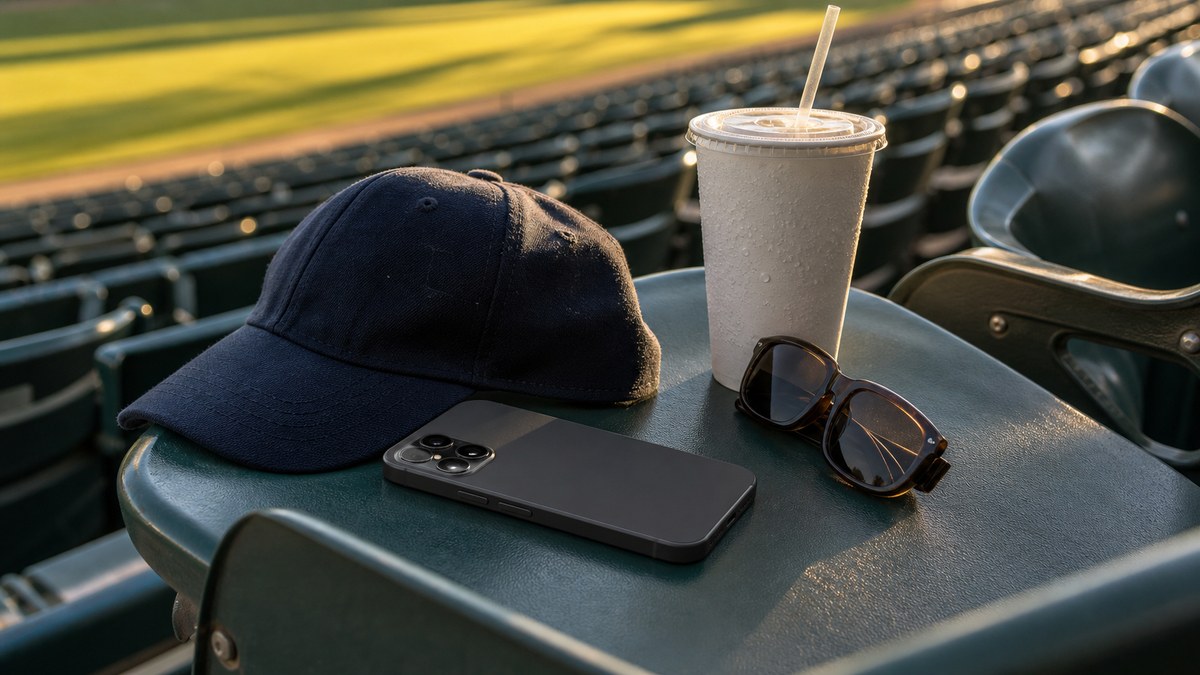
T-Mobile used MLB All-Star Week in Philadelphia to show off stadium connectivity, baseball tech, and customer-only extras. That is useful news if you were at the event — but it is not the same thing as a lower wireless bill.
The consumer question is simple: are these perks something you will actually use, or are they marketing gloss on a plan that still has to beat your current monthly total?
T-Mobile MLB perks: what changed
T-Mobile said MLB All-Star Week returned to Philadelphia for the first time in 30 years, with events at Citizens Bank Park from July 10 through July 14. The company promoted its role in the Automated Ball-Strike Challenge System, new 5G camera views at T-Mobile Batting Practice, and fan experiences tied to the Home Run Derby.
The customer-facing pieces were more practical: T-Mobile said customers in Philadelphia could get access to Club Magenta, fast-lane entry into the T-Mobile Home Run Derby, and a free All-Star Week cap at select local stores while supplies lasted.
T-Mobile also said its private 5G network powers the Automated Ball-Strike Challenge System across all 29 U.S. ballparks, and that more than 5,000 challenges had already been made. That is interesting network infrastructure, but it does not automatically make a plan cheaper for your household.
What this means for you
If you already have T-Mobile and were near the event, the perks may have been a nice bonus. If you are shopping for a new wireless plan, treat event access the same way you would treat concert tickets, sports giveaways, or app-only rewards: count only the value you can actually use.
A short event perk can be fun, but your bill repeats every month. The stronger test is whether the plan still makes sense after the stadium lights are off.
1. Check whether the perk is local and time-limited
Fast-lane entry, a lounge, and a local store giveaway only help if you are in the right city at the right time. T-Mobile’s All-Star Week perks were tied to Philadelphia and the July 10–14 event window.
What to do: before you assign any dollar value, ask whether the perk is usable where you live. If it requires a specific event, city, or date, treat it as a one-time bonus instead of a monthly discount.
2. Separate network claims from your own coverage
T-Mobile’s baseball pitch leaned heavily on private 5G, connected stadium operations, and camera views. Those are real network uses, but they do not prove that your apartment, office, school pickup line, or commute will have better service.
What to do: test coverage in your normal locations before switching. If possible, use a trial line or short-term prepaid option before moving a family plan or financing a phone.
3. Do the bill math before the fun math
Event perks are easiest to overvalue when you want the experience. The cleaner math starts with your current bill: plan price, taxes and fees, device payments, watch or tablet lines, autopay conditions, and any discounts you would lose by switching.
What to do: write down your real monthly total first. Then subtract only the perks you would have paid for anyway. A free cap or faster event line is nice, but it should not hide a higher recurring bill.
4. Compare T-Mobile against lower-cost alternatives
If T-Mobile’s network works well for you, the next question is whether you need T-Mobile’s retail plan or a lower-cost plan that uses the same network. Some MVNOs give up event perks but can win on the monthly price.
What to do: compare the T-Mobile plan you are considering with prepaid and MVNO options on the same network. If the T-Mobile plan costs more each month, the perks need to make up the difference in real, repeatable value.
The SaveOnPhone read
- Good event perk, limited bill impact: All-Star Week access may matter to fans in Philadelphia, but it is not a year-round discount.
- Coverage still needs a local test: stadium 5G and private-network tech do not replace checking service in your own daily routine.
- Count usable value only: perks are worth money only when they replace spending you were already going to make.
- Plan cost wins: if a cheaper plan on the same network saves more every month, a one-week sports perk probably should not decide the switch.
What to do this week
- Pull your current wireless bill and write down the full monthly total.
- List which carrier perks you used in the last 90 days.
- Give each used perk a real dollar value, not a marketing value.
- Run a coverage check in the places you use your phone most.
- Compare T-Mobile against MVNO plans on the same network before switching.