








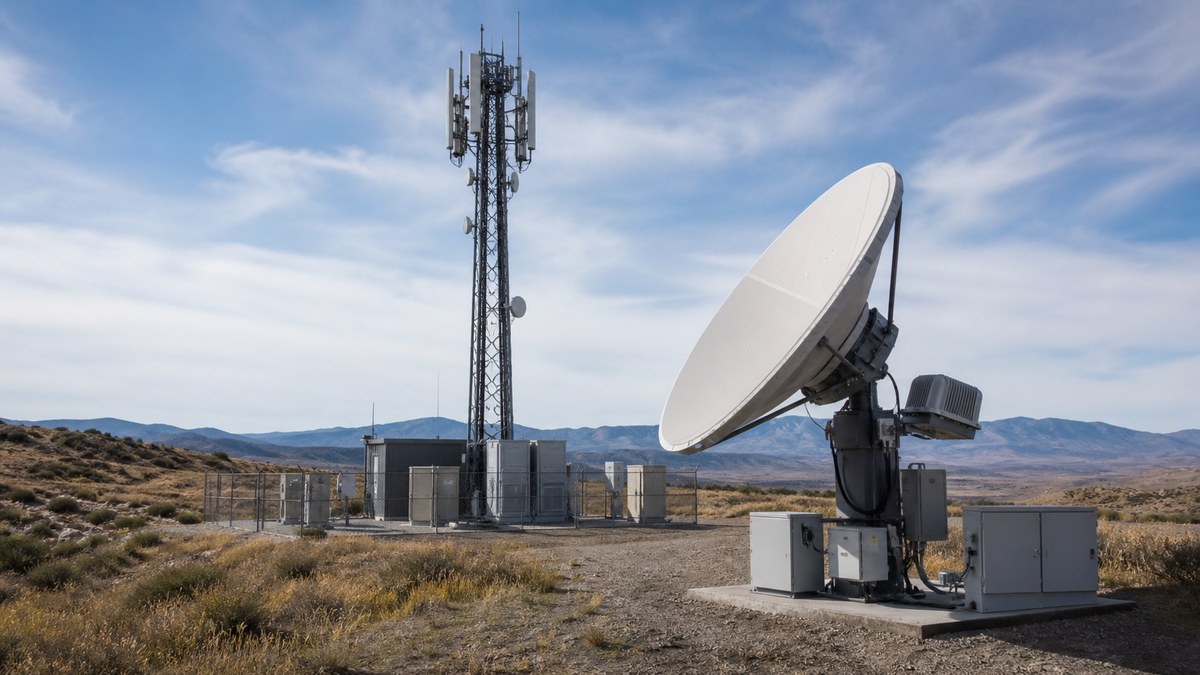
The Federal Communications Commission is considering whether ordinary Wi-Fi, Bluetooth and other unlicensed wireless equipment should be allowed to communicate directly with satellites, opening a potential new path for coverage outside cellular networks.
The agency’s proposed rulemaking on unlicensed direct-to-device service examines more than 225 megahertz of spectrum already used by consumer and industrial equipment. The proceeding does not activate satellite service or require existing devices to support it. It begins the slower work of deciding whether space-to-device connections can operate without causing harmful interference.
That distinction matters for consumers. Current direct-to-device projects generally use licensed cellular spectrum and are tied to mobile carriers, compatible handsets and specific satellite partners. The FCC’s proposal asks whether satellite operators could also reach equipment governed by Part 15, the rules behind familiar unlicensed technologies such as Wi-Fi and Bluetooth.
Three familiar bands are under review
The FCC is seeking comment on satellite uplinks in the 902–928 MHz, 2.4 GHz and 5.8 GHz bands. It is also considering downlinks in part of the 5.8 GHz band. Together, those frequencies are used by a broad mix of routers, connected sensors, smart-home products and industrial equipment.
The proposal is intentionally wider than a plan for satellite calling. A remote sensor might send a small status message where no terrestrial connection exists. Equipment used during an outage could potentially maintain a narrow communications path. Connected devices in rural or isolated locations could become less dependent on a nearby cellular tower or fixed broadband line.
Those examples describe possibilities, not promised services. Manufacturers would still need suitable radios, antennas, software and regulatory approval. Satellite companies would need networks capable of supporting the connections, while service providers would have to decide how access is packaged and priced.
The FCC also asks whether existing Part 15 power limits and technical requirements are sufficient for transmissions between Earth and space. Unlicensed devices operate on the condition that they do not cause harmful interference and generally must accept interference from other authorized users. That arrangement works partly because most of these products transmit over short distances at low power. A satellite link changes the geometry and could place one signal across a much larger area.
Interference is the central policy question
The same open-access character that made Wi-Fi inexpensive and widely available complicates satellite use. No carrier owns exclusive rights to the unlicensed bands under review. Homes, businesses, factories and public networks can have many devices operating in the same frequencies, often without coordinating with one another.
The commission is therefore asking about safeguards, equipment authorization and possible licensing structures. Options include license-by-rule or blanket authorization, approaches that could avoid requiring each consumer to obtain an individual FCC license while still placing obligations on manufacturers or network operators.
The agency is also considering security and privacy. A satellite-connected sensor or router would create a communications route extending beyond a local Wi-Fi or Bluetooth environment. The proposal asks what protections may be necessary, but it does not settle how users would be authenticated, how traffic would be secured or which company would control the customer relationship.
Industry reporting from Light Reading notes that the FCC describes unlicensed satellite access as a complement to direct-to-device services using licensed spectrum. That framing suggests cellular satellite coverage and unlicensed-device connectivity could develop as separate layers rather than one replacing the other.
For wireless customers, the difference could eventually affect who sells coverage. A licensed direct-to-cell service commonly arrives through a carrier plan or add-on because the carrier controls the terrestrial spectrum being reused from space. An unlicensed service could give equipment makers, satellite operators or specialized connectivity providers more room to create products that are not bundled with a conventional phone line.
Competition at that layer could broaden coverage choices, but unlicensed spectrum does not make the underlying service free. Satellite capacity, compatible hardware, network operations and customer support still cost money. Providers might charge subscriptions, include limited connectivity with equipment or sell service through another company. The FCC proposal establishes none of those business terms.
What consumers should do now
Do not buy a router, smart-home product or wireless plan based on an expectation that this proceeding will add satellite coverage. The FCC is gathering comments before deciding whether to adopt final rules, and commercial products would require additional development and approvals afterward.
Anyone comparing current satellite-enabled wireless plans should judge them by the coverage, device requirements, data limits and price offered today. The practical question raised by this proceeding is longer-term: whether reaching beyond cell towers will remain mainly a carrier-controlled phone feature or expand into a broader market for connected equipment. The answer depends first on whether the FCC can protect crowded unlicensed bands while making a technically useful link to space.