








The Federal Communications Commission has scheduled its next major mid-band spectrum auction for April 27, 2027, creating a path for wireless carriers to acquire another 160 megahertz of Upper C-band airwaves. The decision matters because mid-band spectrum supplies the combination of coverage and capacity that carriers use for much of their faster 5G service, but the long clearing schedule means customers will not see an immediate network benefit.
According to the FCC’s Auction 115 public notice, the agency plans to offer 3,248 flexible-use licenses covering the contiguous United States. The licenses span 3.98 GHz to 4.14 GHz and will be divided into eight unpaired 20-megahertz blocks in each Partial Economic Area, the geographic units the FCC uses for many spectrum auctions.
The notice proposes an ascending-clock format similar to the process used in the earlier Lower C-band auction. During the clock phase, qualified bidders would request generic blocks within each market while the FCC raises prices where demand exceeds supply. A later assignment phase would determine the specific frequencies won by each bidder.
Comments on those auction procedures are due August 24, with replies due September 8. The FCC has not yet adopted every bidding detail, so the number and identity of participating carriers, the winning prices and the distribution of licenses remain unknown.
More capacity, but not right away
The auction follows the FCC’s July order reallocating the spectrum from satellite use to terrestrial wireless service. That Upper C-band order combines the new frequencies with the existing Lower C-band rules to form a largely unified wireless band from 3.7 GHz through 4.14 GHz.
That wider block could eventually let a winning carrier run broader channels or add capacity in places where its current mid-band network is congested. More spectrum does not automatically produce better service, however. A carrier must win licenses in a particular market, obtain compatible network equipment, install or update radios and complete testing before customers benefit.
The transition calendar is especially important. Satellite operators currently using the band must clear the top 75 Partial Economic Areas by December 30, 2030, allowing terrestrial service there to begin the following day. Remaining areas have a June 30, 2031 deadline, although earlier clearing is possible.
Those dates put a large gap between the auction and widespread commercial use. The auction will decide who controls the licenses and how much they pay; it will not create new coverage in 2027. Carrier marketing that points to an Upper C-band purchase should therefore be separated from claims about spectrum that is already deployed.
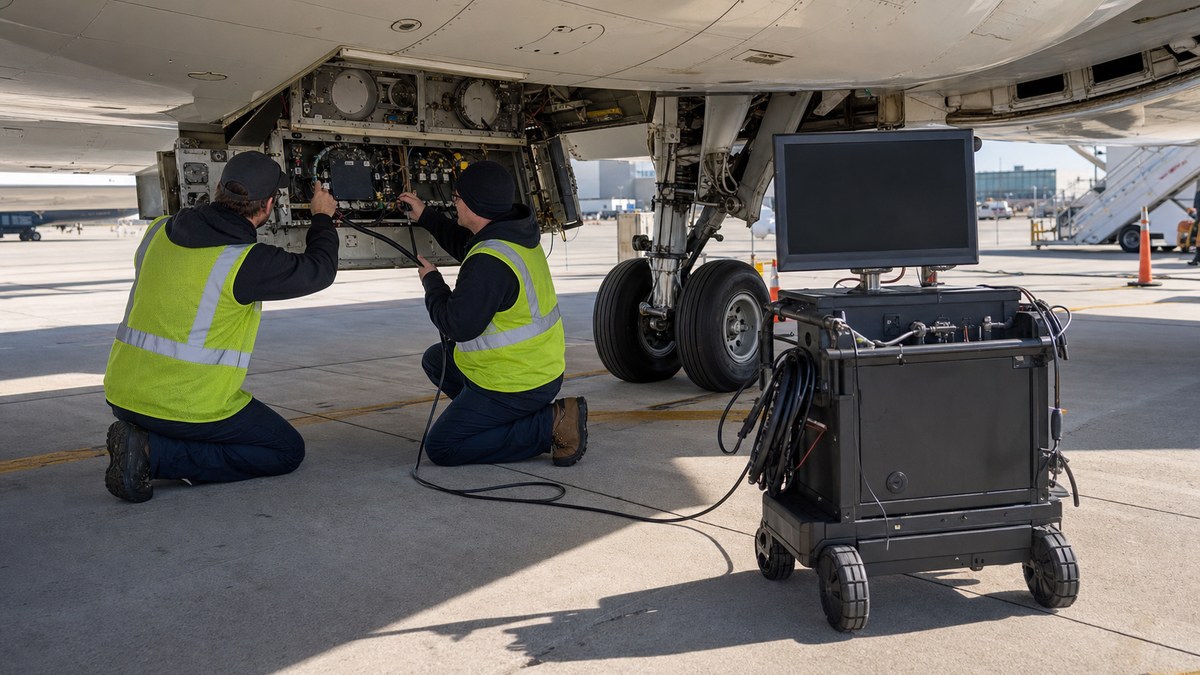
The FCC also built aviation protections into the transition. Radio altimeters operate in the adjacent 4.2 GHz to 4.4 GHz range, an issue that complicated the initial rollout of Lower C-band 5G. The new rules include limits on out-of-band emissions, antenna heights and base-station power, along with a rebate framework for eligible altimeter retrofits. The principal clearing deadline for the largest markets is aligned with the Federal Aviation Administration’s first retrofit deadline.
Competition will depend on who wins
The FCC declined to impose a firm pre-auction limit on how much Upper C-band spectrum one bidder may acquire. Instead, it will add the 160 megahertz to its spectrum screen after the auction and review winning applications case by case. That approach leaves the largest national carriers free to bid broadly, subject to later scrutiny of their total holdings.
Qualifying smaller participants can seek bidding credits. The rules provide a 25% credit for very small businesses, 15% for small businesses and 15% for eligible rural service providers, all subject to caps. Credits reduce the amount a qualifying winner pays; they do not reserve licenses or guarantee that a smaller carrier will prevail against a national bidder.
The eventual consumer effect will differ by market. A carrier with limited mid-band holdings could use a win to relieve busy sites or expand fixed-wireless home internet capacity. A carrier that already owns substantial C-band spectrum might use the licenses to deepen capacity rather than extend its geographic footprint. Because these frequencies generally do not travel as far as low-band signals, Upper C-band is better understood as a capacity tool than a direct substitute for rural coverage spectrum.
What customers should watch
There is no reason to change a wireless plan or postpone an upgrade solely because Auction 115 has been scheduled. The useful milestones come later: the list of qualified bidders, auction results by market, carrier deployment commitments and confirmation that existing equipment supports the combined band.
For now, evaluate coverage using service that is live where you need it. Upper C-band may give carriers meaningful room for future 5G growth, but until licenses are awarded and deployments begin, it remains network capacity on a regulatory calendar rather than capacity customers can use.