


Sunday, Nov. 15, 2026, was the earliest date AT&T is allowed to discontinue certain copper-based home and business phone service in portions of 18 states. A separate Verizon authorization, covering former Frontier areas in eight states, opened Nov. 16, according to a vendor bulletin. Neither date is a statewide shutoff, and neither is a disconnection notice for any particular line. Each one simply marks the first day a carrier may end covered service at covered addresses.
The bottom line: If a copper line still handles your phone service, an alarm, an elevator or emergency phone, a fax machine or a card terminal, look up the carrier's notice for your exact address before you change anything. Get written confirmation that your equipment will work on the replacement, and ask how that replacement stays powered during an outage.
What the FCC authorized for AT&T
In Public Notice DA 25-1043 (WC Docket No. 25-335), the Federal Communications Commission said AT&T's application would be deemed granted automatically on Jan. 12, 2026, unless the commission intervened. Two services are covered: AT&T Residential Local Service and AT&T Business Local Exchange Access Line Service. The notice authorizes discontinuance on or after Nov. 15, 2026. The covered areas are portions of specified wire centers in Alabama, Arkansas, Florida, Georgia, Indiana, Kansas, Kentucky, Louisiana, Michigan, Mississippi, Missouri, North Carolina, Ohio, Oklahoma, South Carolina, Tennessee, Texas and Wisconsin.
A deemed grant lets AT&T discontinue the covered services in line with what it told the FCC. It doesn't require every covered line to be cut on the first authorized day. And living in one of the listed states doesn't mean your address is included; nothing in the records we reviewed shows that any specific line has been disconnected.
DataRemote, which sells replacement equipment for retired copper lines, estimates that the AT&T proceeding covers about 90,000 customers in portions of more than 1,000 wire centers. Companion proceedings, it says, add Illinois and additional copper-based services. Run the arithmetic on that vendor estimate and it averages out to fewer than 90 customers per wire center. DataRemote also tells customers to check each address against the carrier's notice, since two locations in the same city can be on different schedules.
Verizon: three separate proceedings
Verizon's status depends on which proceeding covers an area, and the three shouldn't be lumped together. According to DataRemote's Nov. 6 bulletin:
- WC Docket No. 26-170 was deemed granted for former Frontier areas in Florida, Indiana, Minnesota, Nebraska, Nevada, North Carolina, Texas and Wisconsin, with discontinuance authorized on or after Nov. 16, 2026.
- WC Docket No. 26-227, covering portions of nine other states, was removed from automatic-grant treatment on Sept. 25, 2026, and remained under review.
- A third application, covering portions of nine states and Washington, D.C., requested a Nov. 30, 2026, discontinuance date. That date had not been authorized as of Nov. 6.
We couldn't retrieve the FCC document behind the Nov. 16 authorization. The Verizon details above come from DataRemote's dated summary, not from a filing we read directly.
Check the equipment, then the backup power
NewsChannel 5 Nashville reported that AT&T could begin discontinuing landline service at dozens of Middle Tennessee wire centers after receiving FCC permission. The station listed the gear that may depend on a copper line: fax lines, security lines, elevator lines, fire alarms and emergency phones. It also pointed out a trade-off worth understanding before any switch, which is that traditional copper landlines often keep working during a power outage, while many replacement services need electricity. AT&T's broader transition is expected to continue through 2029, the station reported.
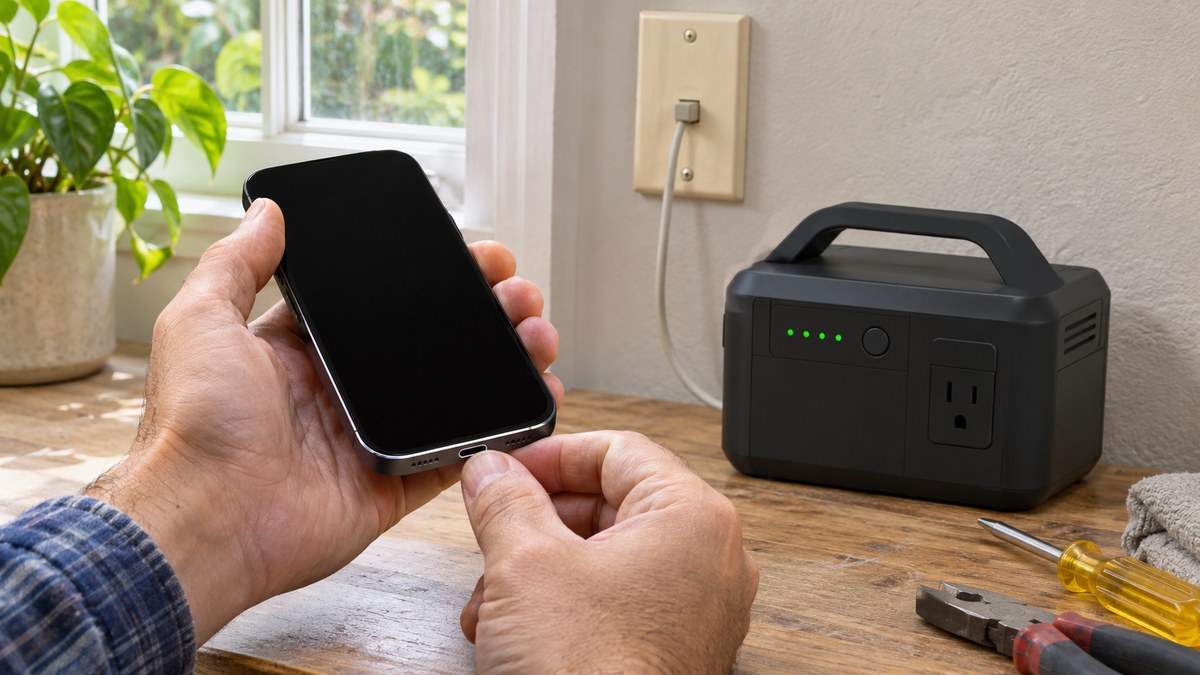
DataRemote says AT&T's replacement is an LTE-based voice service with a built-in battery rated for up to 24 hours of standby. Standby isn't talk time. None of the sources says how long the battery lasts during active calls.
Plenty else remains unknown: replacement pricing, installation charges and taxes; whether a given alarm panel, elevator phone, medical device, fax machine or card terminal will work on the offered replacement and meet the safety code at that address; and the exact cutoff date for any individual customer. Ask the carrier for the planned date and the replacement terms in writing. For safety equipment, call the alarm, elevator or device provider before you agree to a switch.
One point worth stating plainly: these proceedings cover wireline voice service. They don't change anyone's mobile phone plan.